All types of Speed Gears
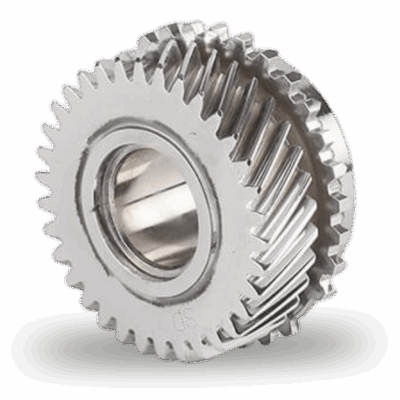
Speed gears, also known as transmission gears, come in various types designed to optimize the relationship between engine power and wheel speed in different driving conditions. The most common classification includes constant mesh gears, sliding mesh gears, and synchromesh gears. Constant mesh gears are always engaged but can rotate freely on their shafts, requiring dog clutches to engage different gears. Sliding mesh gears, an older design, involve physically sliding gears along a shaft to mesh with different gears, which requires precise timing and often results in noisy gear changes. Synchromesh gears incorporate synchronizers that match the rotational speeds of the gear and shaft before engagement, enabling smooth, quiet shifting and making them the standard in modern manual transmissions.
Beyond these basic types, speed gears can also be categorized based on their application and function in a vehicle’s drivetrain. In automotive contexts, we have forward gears (which increase wheel speed relative to engine speed), reverse gears (which change direction of rotation), and overdrive gears (which allow the engine to turn at a slower speed than the wheels for improved fuel efficiency at high speeds). Automatic transmissions use planetary gear sets, which consist of a sun gear, planet gears, and a ring gear, providing multiple gear ratios through different combinations of these components continuously variable transmissions (CVTs) use a belt-and-pulley system to provide infinite gear ratios without discrete steps, while sequential manual transmissions allow for faster gear changes through a simple forward-and-backward motion of the shift lever. Each type of speed gear offers distinct advantages in terms of efficiency, performance, and driving experience, catering to different vehicle types and driving preferences.