Spur Gears
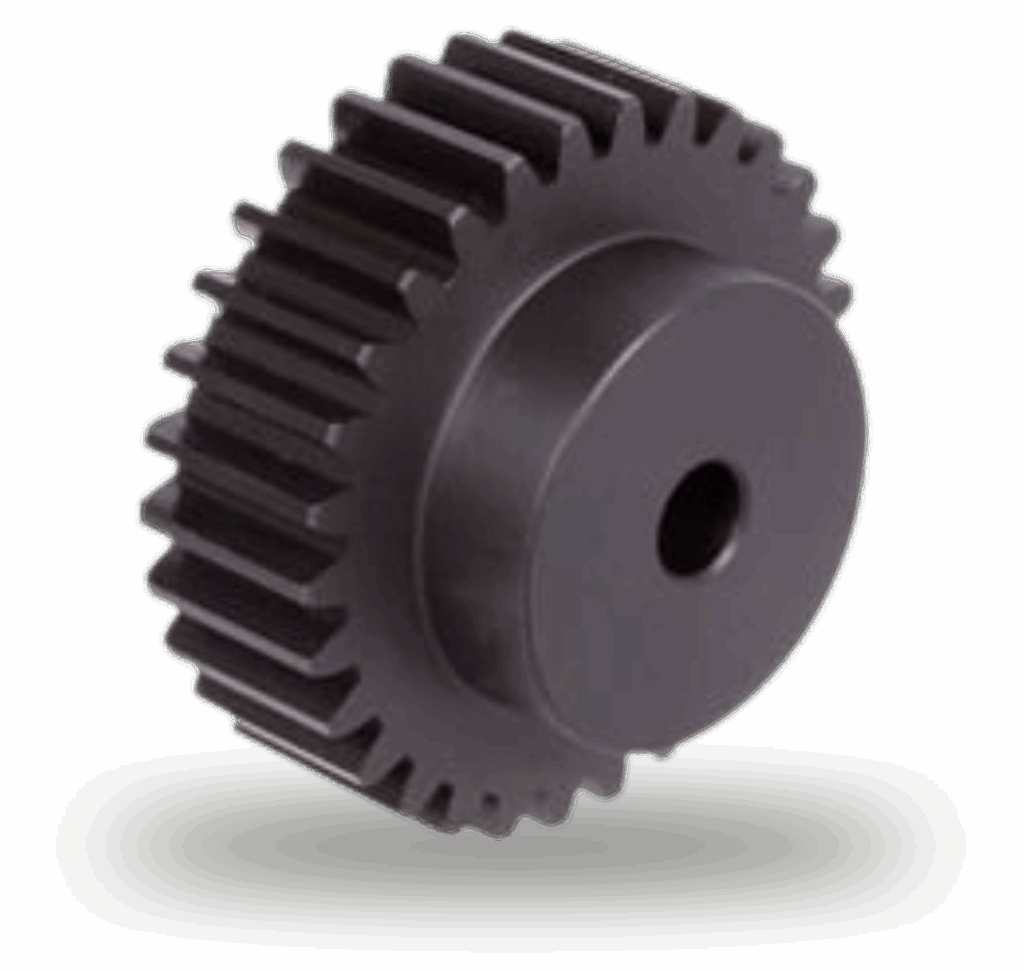
Spur gears are one of the most common and fundamental types of gears used in mechanical systems. They feature straight teeth that are parallel to the gear’s axis of rotation, which makes them simple to design and manufacture. These gears transmit power and motion between parallel shafts, with their teeth meshing directly to transfer rotational force. The efficiency of spur gears is typically high, often reaching 98-99% in well-designed systems, making them suitable for applications requiring precise motion transmission without significant energy loss. Their straightforward design allows for easy installation and maintenance, though they can generate considerable noise during operation due to the abrupt engagement and disengagement of teeth.
The performance of spur gears is influenced by several factors including the material used, the number of teeth, the module (which determines tooth size), and the pressure angle. Common materials for spur gears include steel, cast iron, brass, and various plastics, with the choice depending on factors like load requirements, operating conditions, and cost considerations. While spur gears excel in transmitting power between parallel shafts with high efficiency, they are limited to this specific orientation and may produce axial forces on the shafts. They are widely used in applications such as automotive transmissions, industrial machinery, clocks, and appliances where simplicity and reliability are prioritized.